Justin
Morissette


return
job app case
1. Structuring the Workflow
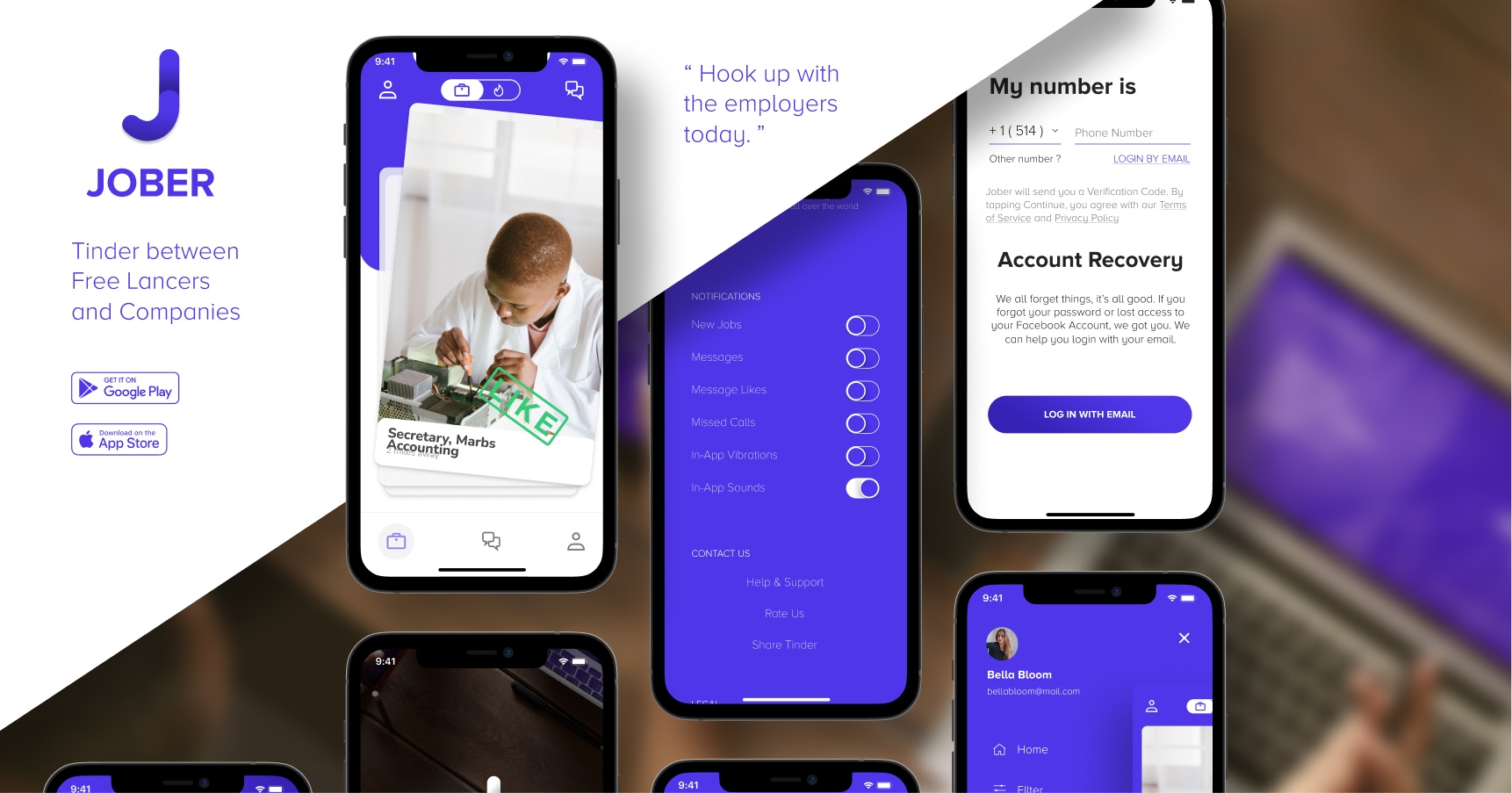
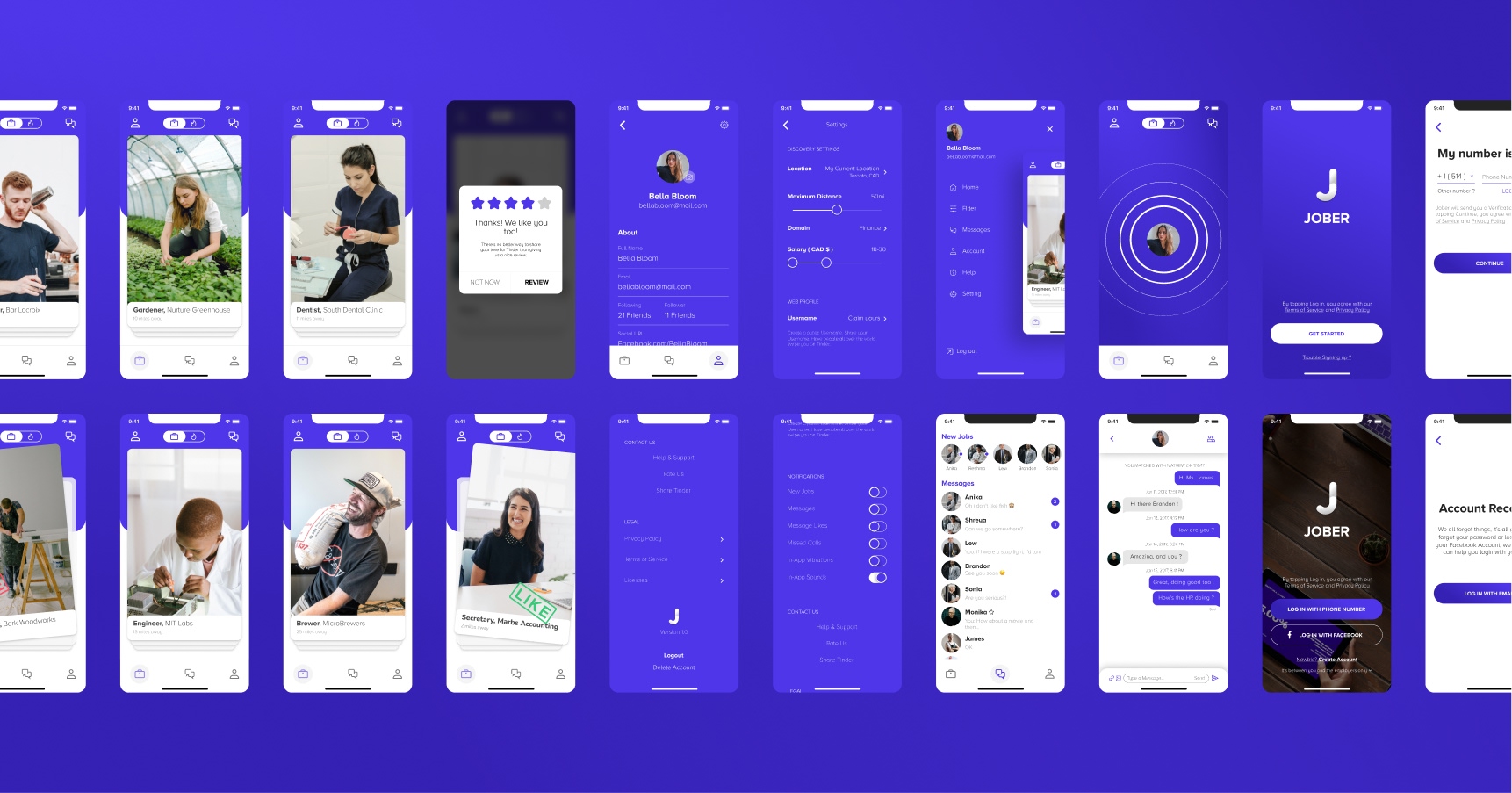
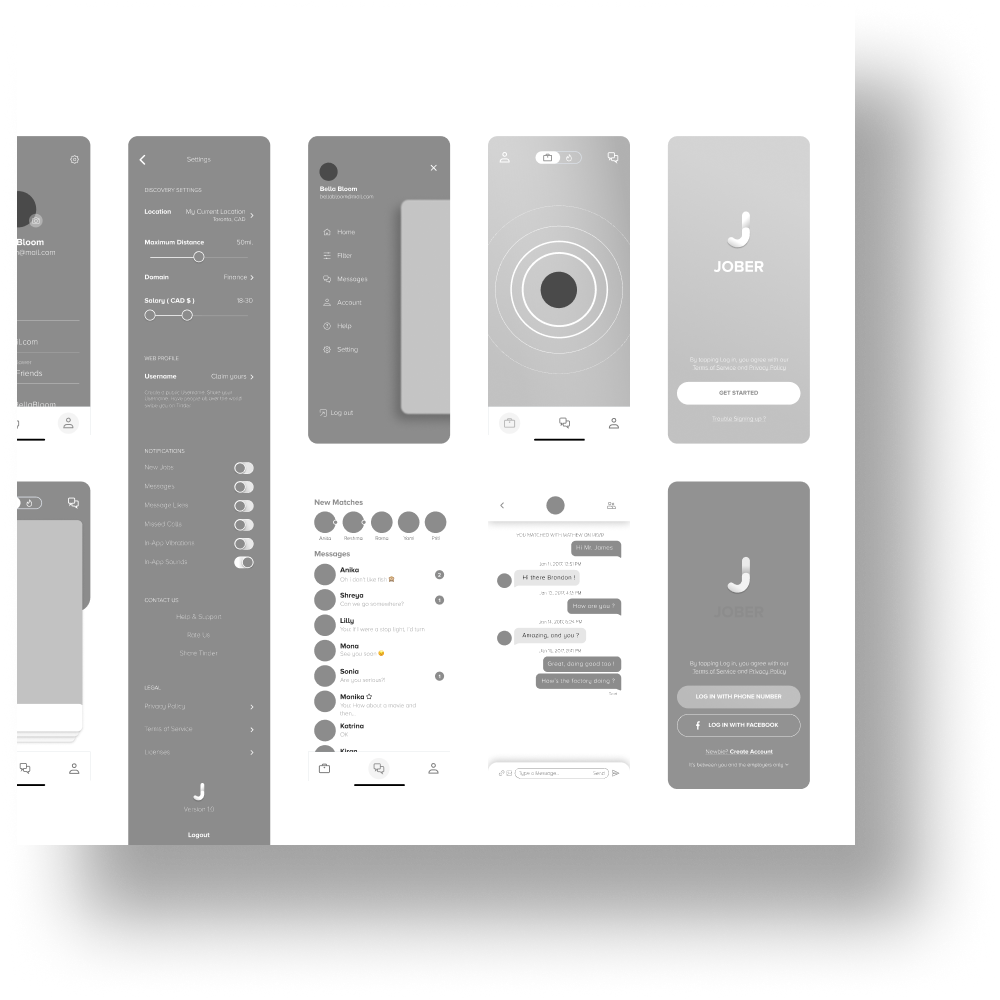
For Jober, the challenge was organizing multiple job-management actions—task tracking, scheduling, and progress updates—into a workflow that felt simple and predictable. I started by mapping the full user journey and identifying the core sequence of actions users would perform throughout a workday.
Using Figma, I created wireframes and workflow diagrams to structure the experience into clear stages. This helped transform a complex set of actions into a straightforward process where users can quickly understand what to do next and where to find the information they need.

2. Iteration and System Design
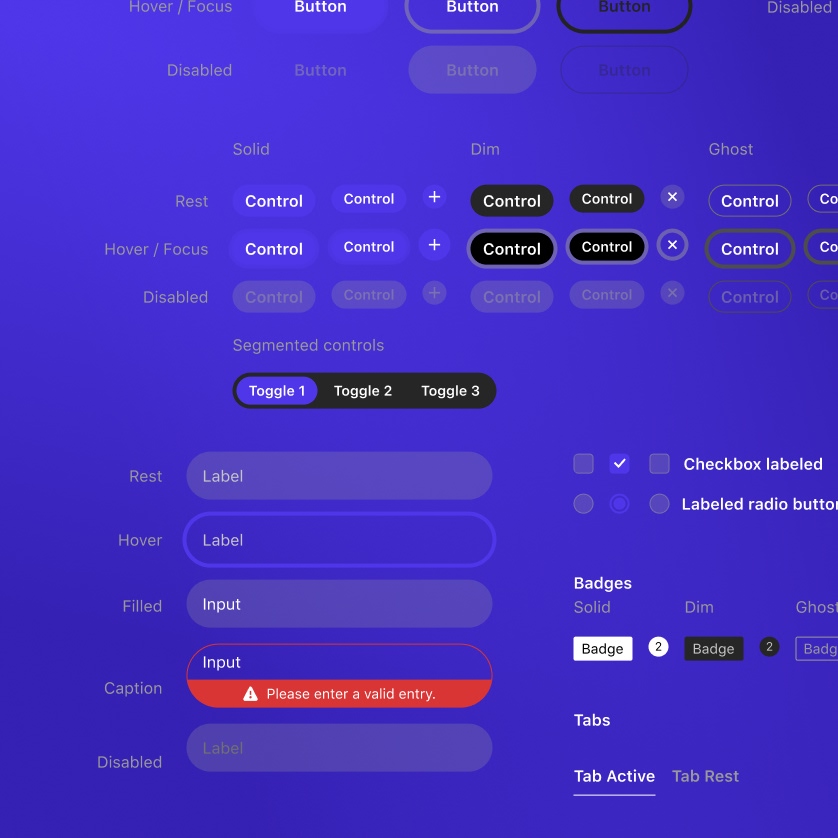
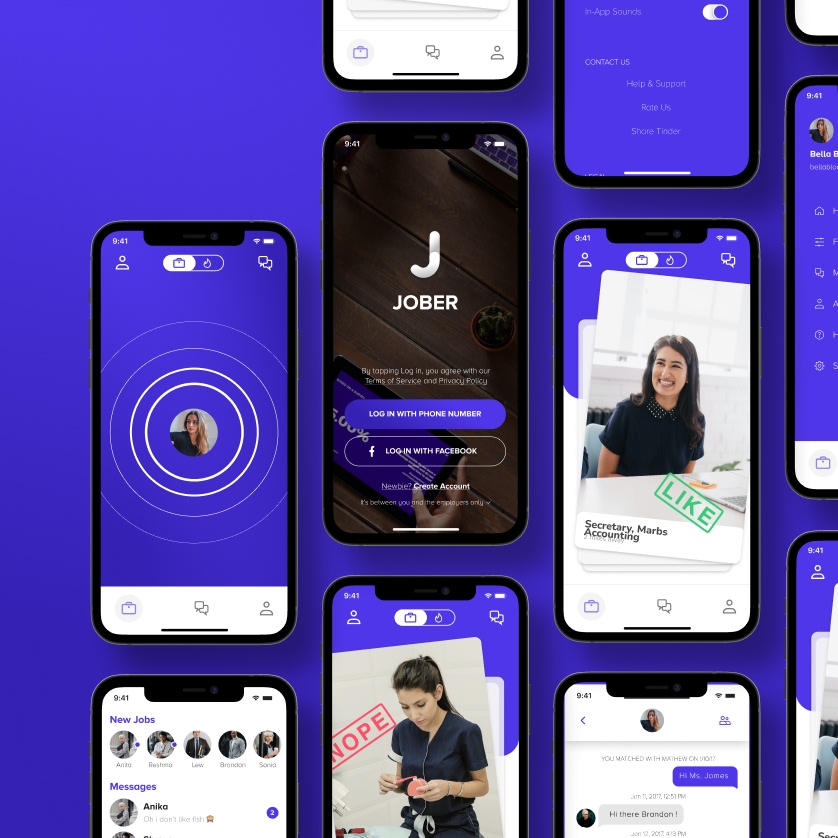
Once the structure was defined, I focused on refining the interface through iterative prototyping in Figma. I developed reusable components and layout patterns to keep the interface consistent while allowing the product to scale as more features are introduced.
AI-assisted tools were used during the design process to explore layout variations and accelerate ideation. The goal was to design a system that keeps workflows clear and efficient while reducing cognitive load for users managing multiple tasks and updates throughout the day.
return
job app case


+1 (581) 372-2197
justin.mrst@gmail.com
Justin
Morissette

return
job app case
1. Structuring the Workflow
For Jober, the challenge was organizing multiple job-management actions—task tracking, scheduling, and progress updates—into a workflow that felt simple and predictable. I started by mapping the full user journey and identifying the core sequence of actions users would perform throughout a workday.
Using Figma, I created wireframes and workflow diagrams to structure the experience into clear stages. This helped transform a complex set of actions into a straightforward process where users can quickly understand what to do next and where to find the information they need.
2. Iteration and System Design
Once the structure was defined, I focused on refining the interface through iterative prototyping in Figma. I developed reusable components and layout patterns to keep the interface consistent while allowing the product to scale as more features are introduced.
AI-assisted tools were used during the design process to explore layout variations and accelerate ideation. The goal was to design a system that keeps workflows clear and efficient while reducing cognitive load for users managing multiple tasks and updates throughout the day.
return
job app case
+1 (581) 372-2197
justin.mrst@gmail.com


Justin
Morissette
return
job app case
1. Structuring the Workflow
For Jober, the challenge was organizing multiple job-management actions—task tracking, scheduling, and progress updates—into a workflow that felt simple and predictable. I started by mapping the full user journey and identifying the core sequence of actions users would perform throughout a workday.
Using Figma, I created wireframes and workflow diagrams to structure the experience into clear stages. This helped transform a complex set of actions into a straightforward process where users can quickly understand what to do next and where to find the information they need.
2. Iteration and System Design
Once the structure was defined, I focused on refining the interface through iterative prototyping in Figma. I developed reusable components and layout patterns to keep the interface consistent while allowing the product to scale as more features are introduced.
AI-assisted tools were used during the design process to explore layout variations and accelerate ideation. The goal was to design a system that keeps workflows clear and efficient while reducing cognitive load for users managing multiple tasks and updates throughout the day.
return
job app case
+1 (581) 372-2197
justin.mrst@gmail.com