Justin
Morissette


return
rental app case
1. Process: From Idea to Structured Experience
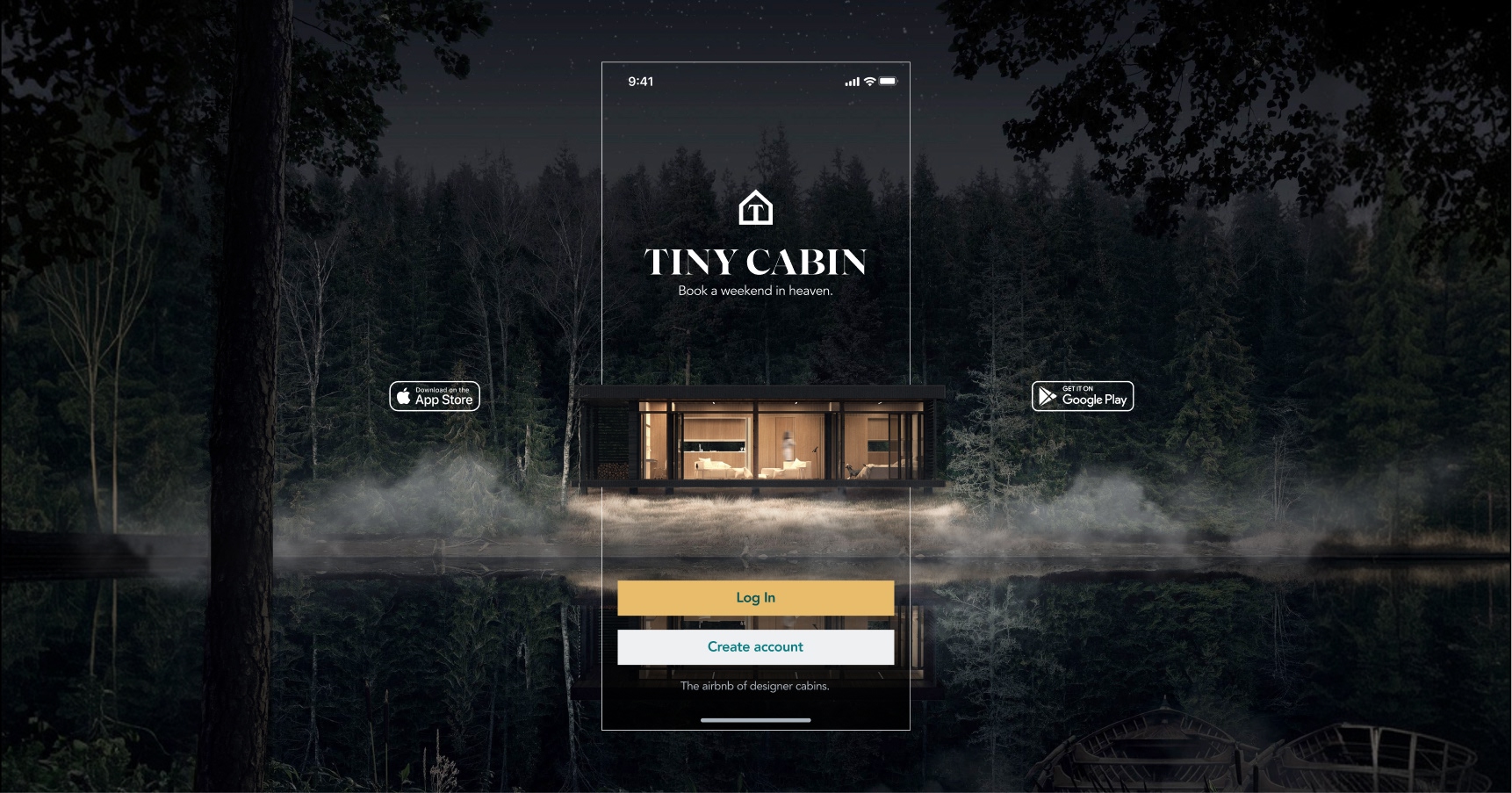
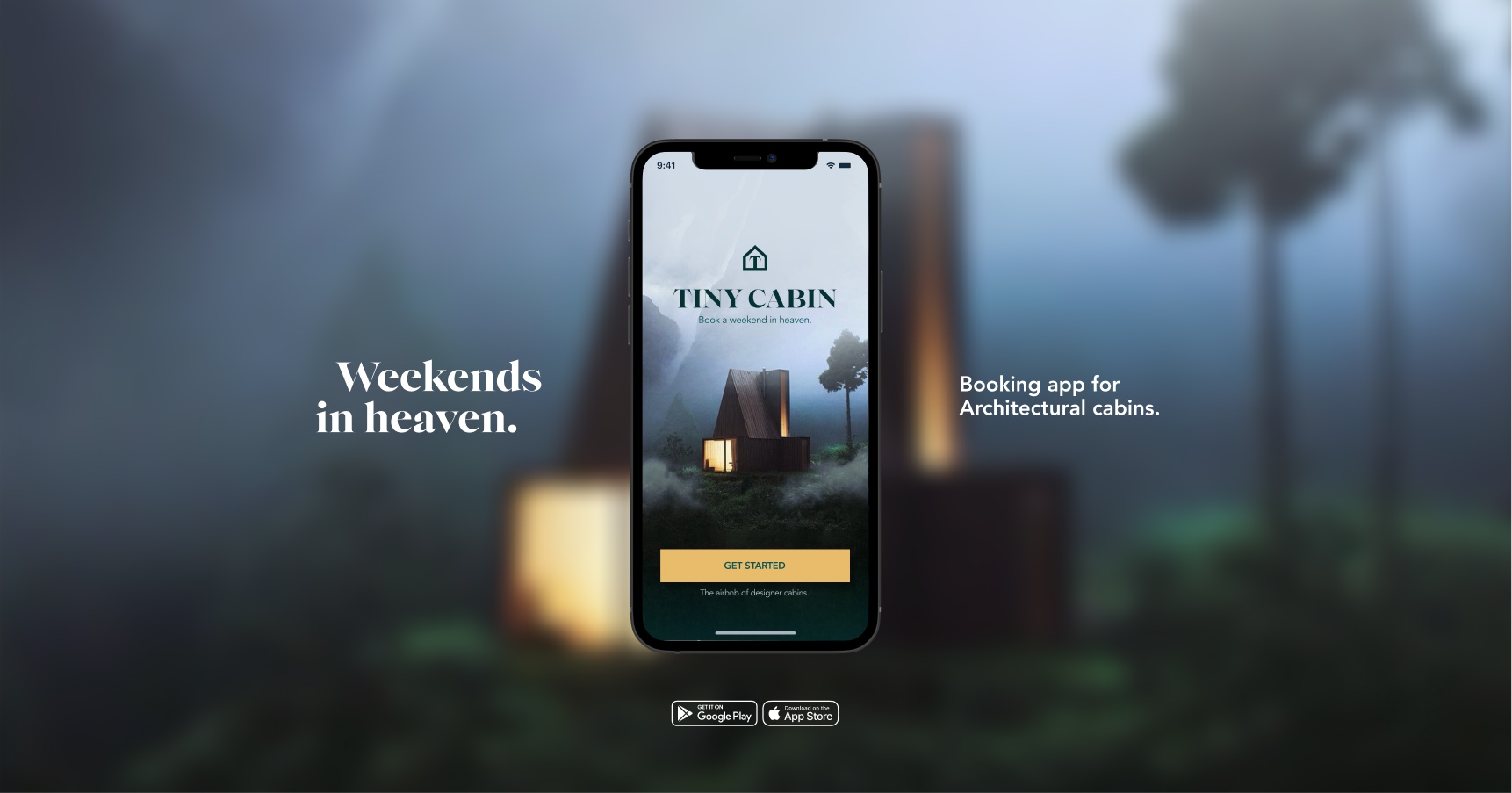
For Tiny Cabin, the goal was to design a simple way for users to discover and book small remote cabins without friction. I started by mapping the full booking journey—from discovery to reservation—to understand the steps users would likely take when planning a short getaway.
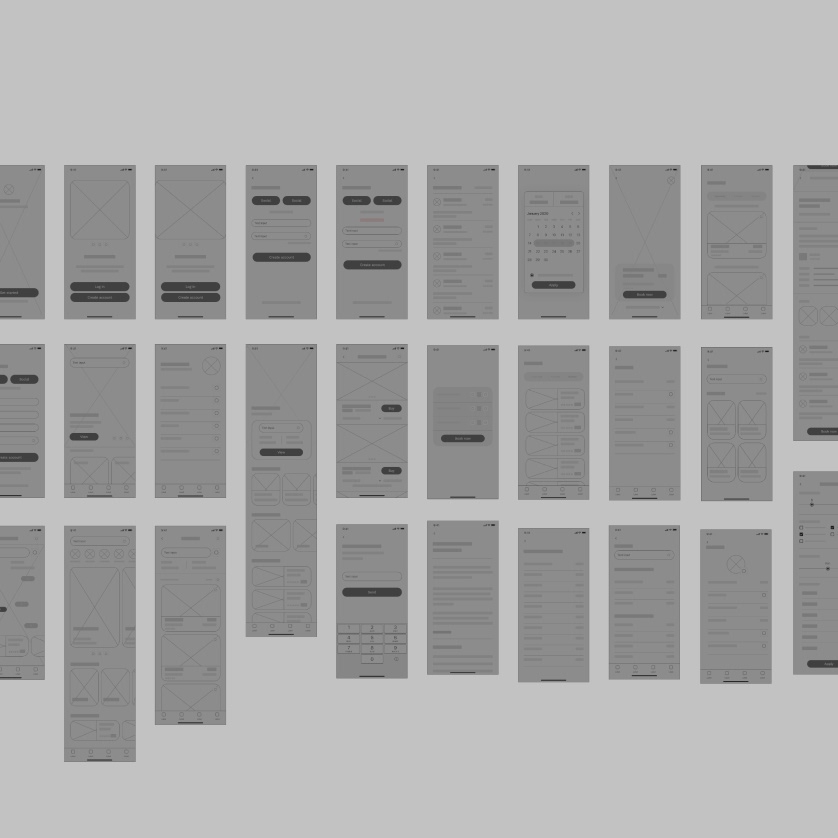
- Workflow mapping: Defined the main user journey (discover → explore → select → book).
- Information structure: Organized listings, availability, and cabin details so users could quickly compare options.
- Wireframing: Built low-fidelity flows and layout explorations in Figma to test how the booking process should unfold.
2. Designing the Interface
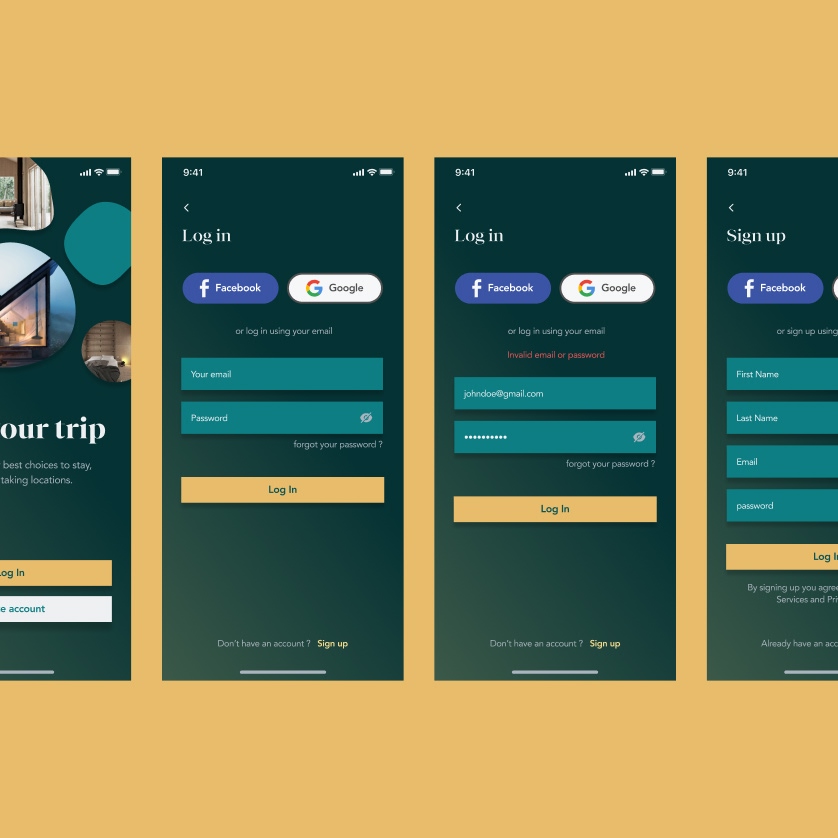
With the workflow defined, I focused on creating an interface that keeps the booking process intuitive and visually calm—matching the nature-focused experience of renting a cabin.
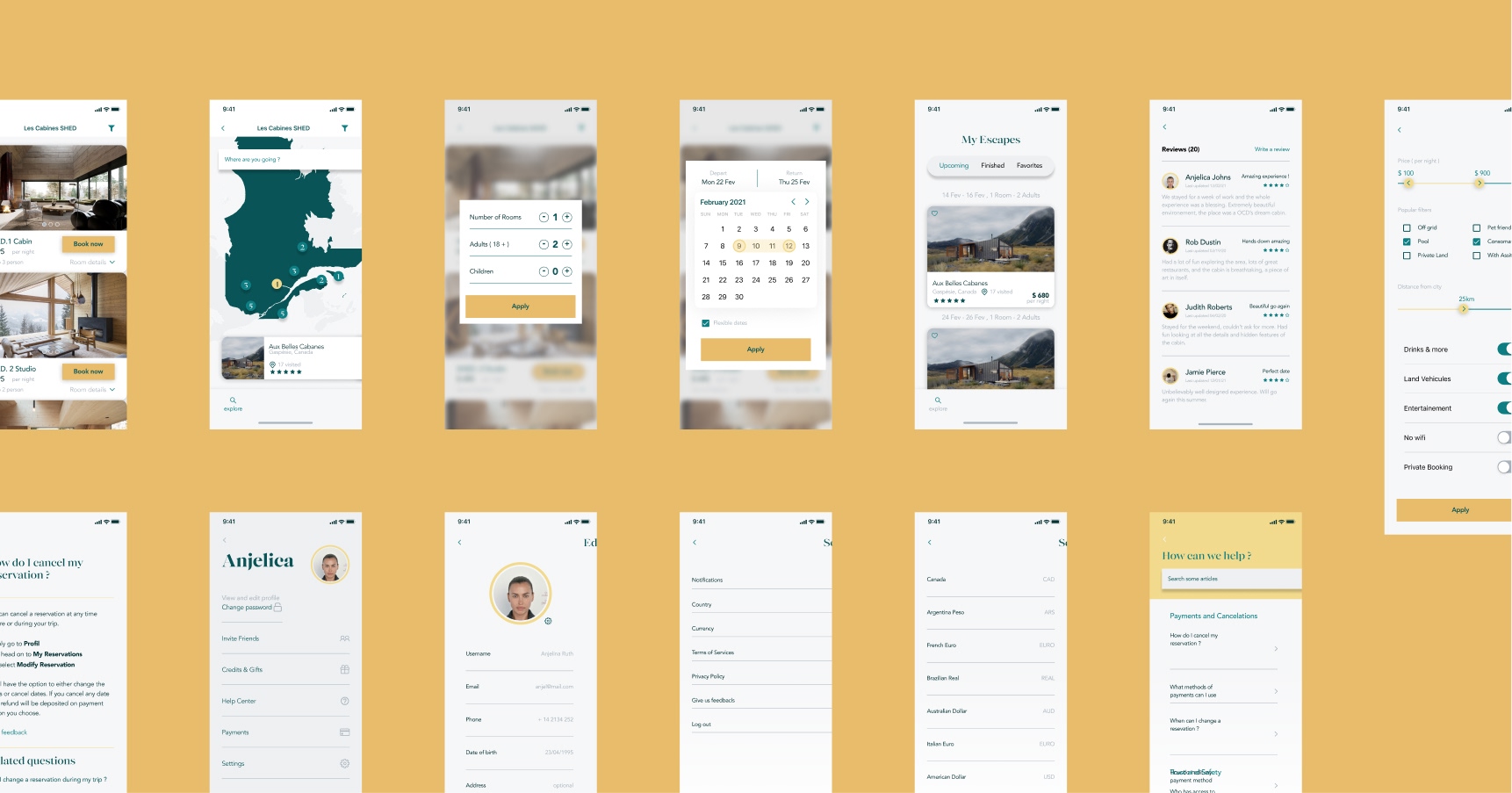
Using Figma, I designed wireframes and interactive prototypes that prioritized key information such as availability, location, and amenities. The interface surfaces essential details early so users can make decisions quickly without navigating through unnecessary steps.

3. Iteration and System Thinking
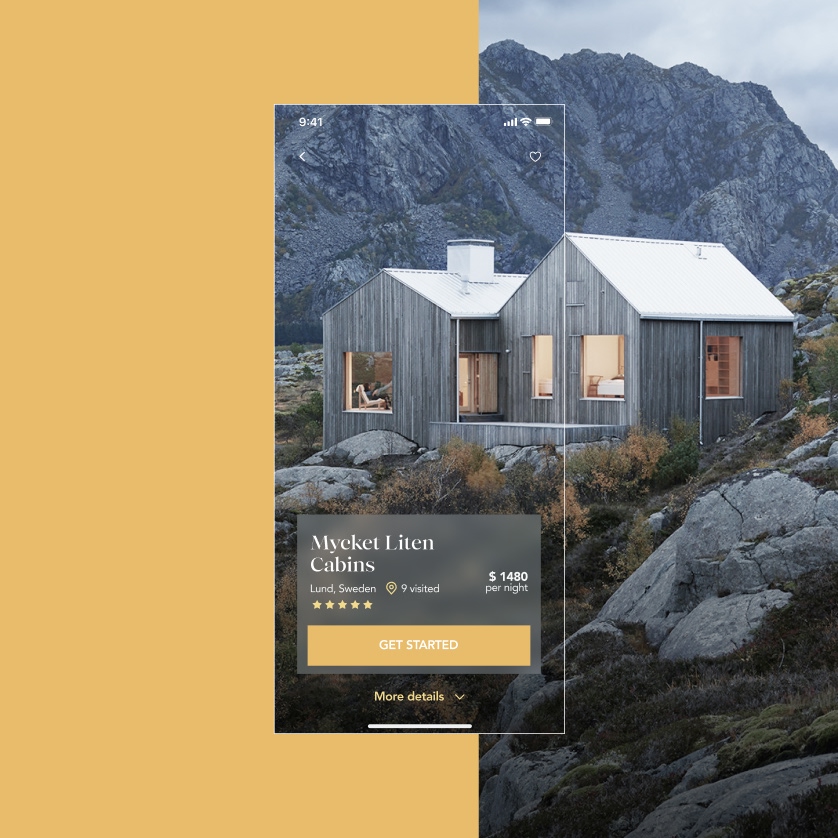
The product was refined through iterative prototypes in Figma, exploring different layouts for listing discovery, cabin detail pages, and booking confirmations. I created reusable components and patterns to keep the interface consistent as features expand.
AI-assisted tools were used during the design process to explore layout options and accelerate ideation. The focus was on designing a system that could scale—supporting more listings, filters, and booking scenarios—while keeping the experience simple and reliable for users planning their trips.
return
rental app case


+1 (581) 372-2197
justin.mrst@gmail.com
Justin
Morissette

return
rental app case
1. Process: From Idea to Structured Experience
For Tiny Cabin, the goal was to design a simple way for users to discover and book small remote cabins without friction. I started by mapping the full booking journey—from discovery to reservation—to understand the steps users would likely take when planning a short getaway.
- Workflow mapping: Defined the main user journey (discover → explore → select → book).
- Information structure: Organized listings, availability, and cabin details so users could quickly compare options.
- Wireframing: Built low-fidelity flows and layout explorations in Figma to test how the booking process should unfold.
2. Designing the Interface
With the workflow defined, I focused on creating an interface that keeps the booking process intuitive and visually calm—matching the nature-focused experience of renting a cabin.
Using Figma, I designed wireframes and interactive prototypes that prioritized key information such as availability, location, and amenities. The interface surfaces essential details early so users can make decisions quickly without navigating through unnecessary steps.
3. Iteration and System Thinking
The product was refined through iterative prototypes in Figma, exploring different layouts for listing discovery, cabin detail pages, and booking confirmations. I created reusable components and patterns to keep the interface consistent as features expand.
AI-assisted tools were used during the design process to explore layout options and accelerate ideation. The focus was on designing a system that could scale—supporting more listings, filters, and booking scenarios—while keeping the experience simple and reliable for users planning their trips.
return
rental app case
+1 (581) 372-2197
justin.mrst@gmail.com


Justin
Morissette
return
rental app case
1. Process: From Idea to Structured Experience
For Tiny Cabin, the goal was to design a simple way for users to discover and book small remote cabins without friction. I started by mapping the full booking journey—from discovery to reservation—to understand the steps users would likely take when planning a short getaway.
- Workflow mapping: Defined the main user journey (discover → explore → select → book).
- Information structure: Organized listings, availability, and cabin details so users could quickly compare options.
- Wireframing: Built low-fidelity flows and layout explorations in Figma to test how the booking process should unfold.
2. Designing the Interface
With the workflow defined, I focused on creating an interface that keeps the booking process intuitive and visually calm—matching the nature-focused experience of renting a cabin.
Using Figma, I designed wireframes and interactive prototypes that prioritized key information such as availability, location, and amenities. The interface surfaces essential details early so users can make decisions quickly without navigating through unnecessary steps.
3. Iteration and System Thinking
The product was refined through iterative prototypes in Figma, exploring different layouts for listing discovery, cabin detail pages, and booking confirmations. I created reusable components and patterns to keep the interface consistent as features expand.
AI-assisted tools were used during the design process to explore layout options and accelerate ideation. The focus was on designing a system that could scale—supporting more listings, filters, and booking scenarios—while keeping the experience simple and reliable for users planning their trips.
return
rental app case
+1 (581) 372-2197
justin.mrst@gmail.com